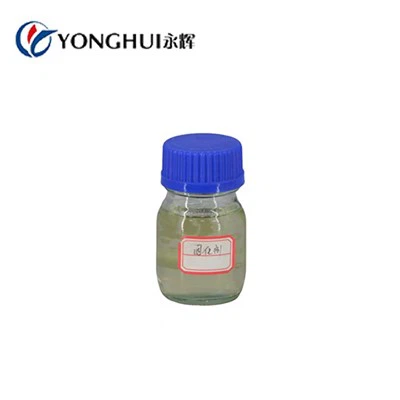


What kind of equipment is needed to mix Z - 133 Expoxy Resin Curing Agent with epoxy resin?
As a supplier of Z - 133 Expoxy Resin Curing Agent, I often receive inquiries from customers about the proper way to mix our curing agent with epoxy resin. One of the key aspects that determines the success of this process is the equipment used. In this blog, I will delve into the various types of equipment required for effectively mixing Z - 133 Expoxy Resin Curing Agent with epoxy resin.
Measuring Equipment
Accurate measurement is crucial when it comes to mixing Z - 133 Expoxy Resin Curing Agent with epoxy resin. Incorrect ratios can lead to sub - optimal curing, affecting the mechanical properties and durability of the final product.
Digital Scales
Digital scales are essential for measuring both the epoxy resin and the Z - 133 curing agent by weight. This method provides a high level of accuracy compared to volume - based measurements, as the density of different epoxy resins and curing agents can vary. For small - scale operations, a precision digital scale with a capacity of up to 500 grams and a resolution of 0.1 grams is sufficient. For larger production runs, industrial - grade digital scales with higher capacities and greater precision may be required.
Measuring Cups and Syringes
In addition to scales, measuring cups and syringes can be used for volume - based measurements, especially for smaller quantities. However, it is important to note that volume measurements may be less accurate due to factors such as temperature and the viscosity of the materials. When using measuring cups or syringes, make sure they are calibrated and clean to ensure consistent results.
Mixing Equipment
Once the epoxy resin and Z - 133 curing agent are accurately measured, they need to be thoroughly mixed to ensure a homogeneous mixture.
Static Mixers
Static mixers are a popular choice for mixing epoxy resin and curing agents. These mixers consist of a series of stationary elements inside a tube that divide and recombine the materials as they flow through. Static mixers are particularly suitable for continuous mixing processes, such as in automated production lines. They are available in different sizes and configurations to accommodate various flow rates and viscosities.
Mechanical Mixers
Mechanical mixers, such as handheld drills with mixing attachments or dedicated mixing machines, are also commonly used. Handheld drills with mixing paddles are a cost - effective option for small - scale projects. They allow for manual control of the mixing process and can be used to mix the materials in a container. For larger - scale operations, dedicated mixing machines with variable speed controls and high - torque motors are recommended. These machines can ensure thorough mixing of large volumes of epoxy resin and curing agent in a shorter time.
Planetary Mixers
Planetary mixers are another type of mechanical mixer that offers excellent mixing performance. In a planetary mixer, the mixing blades rotate on their own axis while also orbiting around the center of the mixing bowl. This dual - motion action ensures that all parts of the mixture are evenly mixed, making it ideal for high - viscosity materials. Planetary mixers are often used in industrial applications where a high - quality, homogeneous mixture is required.
Safety Equipment
When working with epoxy resin and Z - 133 curing agent, safety should always be a top priority.
Protective Gloves
Protective gloves, such as nitrile or latex gloves, should be worn to prevent skin contact with the epoxy resin and curing agent. These materials can cause skin irritation and allergic reactions, so it is important to choose gloves that are resistant to chemicals.
Respirators
Respirators are necessary to protect against inhalation of fumes and vapors generated during the mixing and curing process. Depending on the type of epoxy resin and curing agent being used, different types of respirators may be required. For example, for low - odor materials, a simple dust mask may be sufficient, while for high - odor or toxic materials, a respirator with appropriate filters should be worn.
Safety Goggles
Safety goggles should be worn to protect the eyes from splashes and spills. Epoxy resin and curing agent can cause serious eye damage if they come into contact with the eyes, so it is essential to wear goggles at all times during the mixing process.
Additional Considerations
In addition to the equipment mentioned above, there are a few other factors to consider when mixing Z - 133 Expoxy Resin Curing Agent with epoxy resin.
Temperature Control
The temperature of the epoxy resin and curing agent can significantly affect the mixing and curing process. Most epoxy resins and curing agents have a recommended temperature range for optimal performance. To ensure consistent results, it may be necessary to use heating or cooling equipment to maintain the materials at the appropriate temperature. For example, heating pads or ovens can be used to warm up the materials in cold environments, while fans or chillers can be used to cool them down in hot environments.
Container Selection
The container used for mixing the epoxy resin and curing agent should be clean, dry, and made of a material that is compatible with the materials. Plastic or metal containers are commonly used, but make sure they are not reactive with the epoxy resin or curing agent. The container should also have enough capacity to hold the mixture without overflowing during the mixing process.


Cleanup Equipment
After the mixing process is complete, it is important to clean the equipment thoroughly to prevent contamination and ensure its longevity. Cleaning solvents, such as acetone or isopropyl alcohol, can be used to remove any residual epoxy resin or curing agent from the measuring equipment, mixing equipment, and containers. Brushes and sponges can be used to scrub the equipment clean.
Conclusion
Mixing Z - 133 Expoxy Resin Curing Agent with epoxy resin requires the right equipment to ensure accurate measurement, thorough mixing, and a high - quality final product. By using the appropriate measuring, mixing, and safety equipment, as well as considering additional factors such as temperature control and container selection, you can achieve consistent and reliable results.
If you are interested in purchasing our Z - 133 Expoxy Resin Curing Agent or have any questions about the mixing process, please feel free to contact us for more information and to discuss your specific requirements. We are committed to providing you with the best products and technical support to meet your needs.
References
- Handbook of Epoxy Resins by Lee and Neville
- Epoxy Resins: Chemistry and Technology by Clayton A. May
- Industrial Mixing: Science and Practice by Edward L. Paul, Victor A. Atiemo - Obeng, and Suzanne M. Kresta
In the context of epoxy resin curing agents, it's worth mentioning some related chemical compounds. For example, DDM (Diaminodiphenylmethane) [/special - chemicals/mda - 100/ddm - diaminodiphenylmethane.html] and 4,4 - Diaminodiphenylmethane [/special - chemicals/mda - 100/4 - 4 - diaminodiphenylmethane.html] are well - known curing agents. Another important compound is MDA - 100(4,4 - Methylenedianiline) [/special - chemicals/mda - 100/mda - 100 - 4 - 4 - methylenedianiline.html], which also plays a significant role in the epoxy resin industry. If you have any further questions about these or our Z - 133 Expoxy Resin Curing Agent, don't hesitate to reach out to start a procurement discussion.