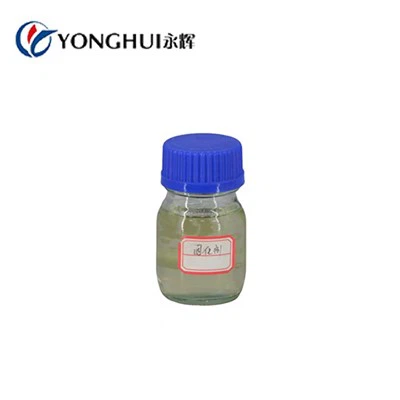


When working with Z - 133 Expoxy Resin Curing Agent, dilution is often a necessary step to achieve the desired viscosity, improve workability, and ensure proper mixing with epoxy resins. As a supplier of Z - 133 Expoxy Resin Curing Agent, I understand the importance of choosing the right solvents for dilution. In this blog post, I will discuss several solvents that can be used for this purpose, along with their properties and considerations.
1. Acetone
Acetone is a widely used solvent in the epoxy resin industry. It is a volatile, colorless liquid with a characteristic sweet smell. One of the main advantages of using acetone to dilute Z - 133 Expoxy Resin Curing Agent is its high solubility. It can quickly dissolve the curing agent, reducing its viscosity and making it easier to handle.


Acetone has a relatively low boiling point (around 56 °C), which means it evaporates rapidly. This can be beneficial in applications where a fast - drying time is required. However, its high volatility also poses some challenges. It can cause rapid evaporation during the mixing process, leading to inconsistent dilution if not properly controlled. Additionally, acetone is flammable, so appropriate safety measures must be taken when using it, such as working in a well - ventilated area and keeping it away from open flames.
2. Methyl Ethyl Ketone (MEK)
MEK is another common solvent for diluting epoxy resin curing agents. It is similar to acetone in many ways but has a slightly higher boiling point (around 79.6 °C). This makes it less volatile than acetone, which can be an advantage in some situations.
MEK has good solubility for Z - 133 Expoxy Resin Curing Agent and can effectively reduce its viscosity. It also has a relatively fast evaporation rate compared to some other solvents, which allows for a reasonable drying time. However, like acetone, MEK is flammable and toxic. It can cause irritation to the skin, eyes, and respiratory system, so proper personal protective equipment (PPE) such as gloves, goggles, and a respirator should be worn when handling it.
3. Toluene
Toluene is an aromatic hydrocarbon solvent. It has a clear, colorless appearance and a characteristic sweet - like smell. Toluene has good solubility for epoxy resin curing agents, including Z - 133. It can provide a more stable dilution compared to acetone and MEK due to its lower volatility.
Toluene has a boiling point of around 110.6 °C, which means it evaporates more slowly. This can be useful in applications where a longer working time is needed. However, toluene is also flammable and toxic. Prolonged exposure to toluene can cause damage to the nervous system, liver, and kidneys. Therefore, strict safety protocols must be followed when using toluene, including proper ventilation and the use of PPE.
4. Xylene
Xylene is a mixture of three isomers: ortho - xylene, meta - xylene, and para - xylene. It is commonly used as a solvent in the epoxy industry. Xylene has good solubility for Z - 133 Expoxy Resin Curing Agent and can effectively reduce its viscosity.
Xylene has a relatively high boiling point (around 138 - 144 °C), which results in a slow evaporation rate. This can be advantageous in applications where a long - term workability is required. However, similar to toluene, xylene is flammable and toxic. It can cause irritation to the skin, eyes, and respiratory system, and long - term exposure can have adverse health effects.
5. Alcohols
Alcohols such as ethanol and isopropyl alcohol can also be used to dilute Z - 133 Expoxy Resin Curing Agent. Ethanol is a common alcohol with a boiling point of around 78.4 °C. It is relatively non - toxic compared to some of the other solvents mentioned above and has a mild odor.
Isopropyl alcohol has a boiling point of around 82.6 °C. Both alcohols can dissolve the curing agent to some extent, but their solubility is generally lower than that of acetone, MEK, toluene, or xylene. Alcohols can be a good choice in applications where a more environmentally friendly or less toxic solvent is preferred, but they may require more careful mixing to ensure uniform dilution.
6. Specialized Curing Agent Diluent
In addition to the common solvents, there are also specialized diluents available in the market that are specifically designed for epoxy resin curing agents. These diluents are formulated to have optimal solubility, low toxicity, and good compatibility with the curing agent.
Some of these specialized diluents may contain additives that can enhance the performance of the epoxy resin system, such as improving the adhesion or flexibility of the cured product. When using a specialized diluent, it is important to follow the manufacturer's instructions carefully to ensure the best results.
Considerations When Choosing a Solvent
When selecting a solvent to dilute Z - 133 Expoxy Resin Curing Agent, several factors need to be considered:
- Solubility: The solvent should have good solubility for the curing agent to ensure a uniform dilution.
- Volatility: The evaporation rate of the solvent can affect the working time and the final properties of the cured product. A fast - evaporating solvent may be suitable for quick - drying applications, while a slow - evaporating solvent may be better for long - term workability.
- Safety: The toxicity and flammability of the solvent are crucial considerations. Appropriate safety measures should be taken when using any solvent, especially those that are highly toxic or flammable.
- Compatibility: The solvent should be compatible with the epoxy resin system to avoid any adverse reactions that could affect the performance of the cured product.
Chemical Compounds Related to Curing Agents
There are also some chemical compounds related to epoxy resin curing agents that are worth mentioning. For example, DDM (Diaminodiphenylmethane) is a well - known curing agent. It has high reactivity and can provide good mechanical properties to the cured epoxy resin. MDA - 60(4,4 - Methylenedianiline) and 4,4′ - Methylenedi - Aniline are also important compounds in the epoxy resin curing process. These compounds may have different solubility and reactivity characteristics, which can influence the choice of solvent for dilution when they are used in combination with Z - 133 Expoxy Resin Curing Agent.
Conclusion
In conclusion, there are several solvents that can be used to dilute Z - 133 Expoxy Resin Curing Agent, each with its own advantages and disadvantages. The choice of solvent depends on various factors such as solubility, volatility, safety, and compatibility with the epoxy resin system. As a supplier of Z - 133 Expoxy Resin Curing Agent, I am committed to providing high - quality products and technical support to our customers. If you are interested in purchasing Z - 133 Expoxy Resin Curing Agent or need more information about solvent selection for dilution, please feel free to contact us for further discussion and procurement negotiation.
References
- “Handbook of Epoxy Resins” by Henry Lee and Kris Neville.
- “Epoxy Resins: Chemistry and Technology” edited by Clayton A. May.
- Technical data sheets of Z - 133 Expoxy Resin Curing Agent.